
TeckWrap Zenith15 Nano Ceramic película para tintado de ventanas automotrices (C15-2mil)
Precio regularDe $ 2,058.00Precio unitario


Conjunto de muestras de película para ventanas automotrices serie Zenith
Precio regularDe $ 737.00Precio unitario
Película para ventanas automotrices iridiscente TeckWrap Nebula K70S, Cosmic Purple (2.5mil)
Precio regularDe $ 3,758.00Precio unitario
TeckWrap Zenith05 Película para tintado de ventanas automotrices nano cerámica (C05-2mil)
Precio regularDe $ 2,058.00Precio unitario

TeckWrap Zenith30 Nano Ceramic película para tintado de ventanas automotrices (C30-2mil)
Precio regularDe $ 2,058.00Precio unitario


Conjunto de muestras de película para ventanas automotrices serie Fortis
Precio regularDe $ 737.00Precio unitario-
Precio regularDe $ 1,870.00Precio unitario

Película para tintado de ventanas automotrices TeckWrap Ionix70 Magnetron, gris claro (I70-2.5mil)
Precio regularDe $ 1,870.00Precio unitario
TeckWrap Zenith70 Nano Ceramic película para tintado de ventanas automotrices (C70-2mil)
Precio regularDe $ 2,058.00Precio unitario
TeckWrap Helios15 Película para tintado de ventanas automotrices nano cerámica (C15-4mil)
Precio regularDe $ 2,814.00Precio unitario
Película para ventanas automotrices iridiscente TeckWrap Nebula K03, Sunset Pink (2.5mil)
Precio regularDe $ 4,135.00Precio unitario
Película para tintado de ventanas automotrices TeckWrap Aegis W70PR Triple Silver (3.5mil)
Precio regularDe $ 6,401.00Precio unitario
TeckWrap Helios30 Película para tintado de ventanas automotrices nano cerámica (C30-4mil)
Precio regularDe $ 2,814.00Precio unitario
TeckWrap Fortis70 Película para tintado de ventanas automotrices metalizada (M70-2mil)
Precio regularDe $ 2,058.00Precio unitario
Verdant Wave TWF-K02 Película para ventanas automotrices
Precio regular $ 6,212.00Precio unitario
TeckWrap Helios70 Película para tintado de ventanas automotrices nano cerámica (C70-4mil)
Precio regularDe $ 2,814.00Precio unitario
TeckWrap Fortis20 Película para tintado de ventanas automotrices metalizada (M20-2mil)
Precio regularDe $ 2,058.00Precio unitario
TeckWrap Fortis30 Película para tintado de ventanas automotrices metalizada (M30-2mil)
Precio regularDe $ 2,058.00Precio unitario
TeckWrap Vita30 Película para tintado de ventanas automotrices Skin Care (SC30-3mil)
Precio regularDe $ 2,247.00Precio unitario
TeckWrap Aegis70 Película para tintado de ventanas automotrices Double Silver (W70S-4mil)
Precio regularDe $ 7,949.00Precio unitario-
TeckWrap Ionix15 Magnetron película para tintado de ventanas automotrices, Black (I15-2.5mil)
Precio regularDe $ 1,870.00Precio unitario 
TeckWrap Helios70 Película para tintado de ventanas automotrices nano cerámica (C70-4mil)
Precio regularDe $ 6,401.00Precio unitario
Película para ventanas automotrices TeckWrap Aurora85 (A85-2mil)
Precio regularDe $ 3,002.00Precio unitario
TeckWrap Helios75Pro película para tintado de ventanas automotrices nano óptica (C75Pro-2.5mil)
Precio regularDe $ 6,401.00Precio unitario


Leave your car in the sun for an hour and it turns into a greenhouse. The seat burns, the steering wheel stings, the dashboard fades a little more, and the air conditioning spends the first ten minutes catching up. TeckWrap car window tint film stops that at the glass. It keeps out the heat you feel and the UV you don't, takes the edge off glare, and gives the cabin the privacy it should have had from the factory, without turning your windows into mirrors or your night drive into guesswork. Choose the shade that fits your car and your local rules, and you will notice it the first time you get in on a hot afternoon.
Window Tint Film Series Compared
The shade sets privacy and glare. The construction sets how much heat the film stops. Each series below is built a different way for a different job.
| Series | What it is | Key figures | Best for | Shop |
|---|---|---|---|---|
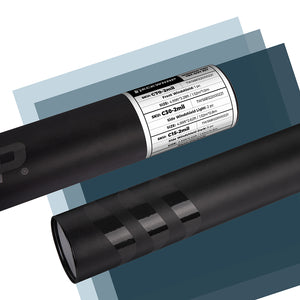 ZenithNano ceramic, 2 mil | Metal-free ceramic film in a full shade range. The value ceramic. | Zenith30: 30% VLT, 57% TSER, 88% IR. 8-year warranty. | Everyday daily drivers and modern cars full of sensors | Zenith30 Sample set |
 HeliosNano ceramic, 4 mil | Heavy gauge ceramic that holds tempered glass together on impact. Helios75Pro is a 2.5 mil optical film made for the windshield. | Helios30: 28% VLT, 58% TSER, 89% IR. Helios75Pro: 75% VLT, 54% TSER. 8-year warranty. | Side glass that sees heavy use, and the strongest light windshield option | Helios30 Helios75Pro |
 VitaSkin care ceramic, 3 mil | Metal-free ceramic built around sun exposure for drivers and passengers. | Vita30: 31% VLT, 53% TSER, 85% IR. 8-year warranty. | Long hours behind the wheel and hot climates | Vita30 |
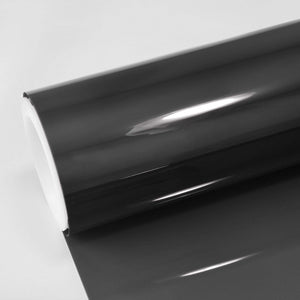 IonixMagnetron sputtered, 2.5 mil | Metal layers deposited under vacuum for high infrared rejection at a mid price. | Ionix20: 22% VLT, 63% TSER, 92% IR. 5-year warranty. | Heat-focused jobs on cars without aftermarket electronics | Ionix20 |
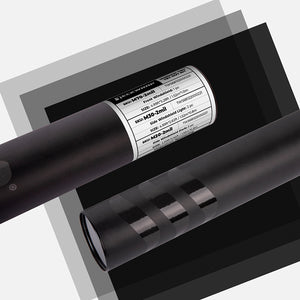 FortisMetalized, 2 mil | Entry sputtered film that beats dyed tint on heat and fade resistance. | Fortis30: 25% VLT, 50% TSER, 45% IR. 8-year warranty. | Fleets and price-led jobs | Fortis30 Sample set |
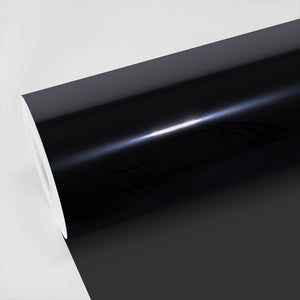 AegisDouble and triple silver, 3.5 to 4 mil | Stacked sputtered silver layers. The highest heat rejection TeckWrap makes. | Aegis15: 70% TSER. Aegis30: 28% VLT, 64% TSER, 85% IR. 8-year warranty. | Maximum heat control on side and rear glass | Aegis15 Aegis30 |
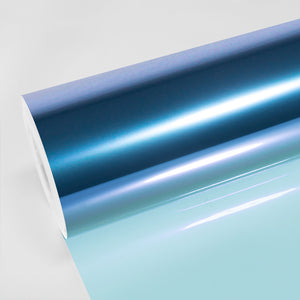 NebulaIridescent color, 2.5 mil | Light films with a color that shifts with the viewing angle, built into the film stack instead of dyed in. | K70S: 70% VLT, 45% TSER, 91% IR. 5-year warranty. | A standout look on light, windshield-grade glass | Cosmic Purple K70S Verdant Wave K02 |
 Aurora85Ultra clear, 2 mil | Close to bare glass, working on UV and total solar load instead of darkness. | 85% VLT, 35% TSER, over 99% UV. 8-year warranty. | Strict windshield limits and EVs with large glass areas | Aurora85 |
 VisorWindshield protection, GP01 | A clear, replaceable protection layer that takes everyday surface wear instead of the original windshield. It protects the glass rather than tinting it. | 90% light transmission, 97% UV resistance, 161 µm application layer. 8-month warranty. | Windshields with cameras and sensors that are costly to replace | Visor (GP01) |
Choosing Film for Each Window
Tint law is set per window, and it is measured on the glass, not the box. Factory glass already blocks some light, so the reading with film on is always lower than the film's own VLT.
| Window | What to keep in mind | Good choices |
|---|---|---|
| Windshield | The strictest limits, and some places allow no film below the AS-1 line | Helios75Pro, Aurora85, Visor (GP01), Nebula K70S |
| Front side windows | Usually limited more than the rear, and you need a clear view of the mirrors at night | A light or medium shade such as Zenith30 or Vita30, where local law allows |
| Rear side windows and rear windshield | Usually the most freedom, so this is where dark shades and maximum heat rejection go | Aegis15, Ionix15, Helios15, Zenith15 |
| Cars with aftermarket antennas or telematics | Metal layers can affect signal through the glass | Metal-free ceramic: Zenith, Helios or Vita |
Not sure which shade suits your car? The Zenith and Fortis sample sets let you hold each shade against your own glass first.
Ceramic vs Sputtered Metal vs Dyed Window Film
How a film is built decides how it handles heat, signal and age. TeckWrap makes ceramic and sputtered films only.
| Feature | Nano Ceramic | Sputtered Metal | Dyed Film |
|---|---|---|---|
| How it works | Ceramic particles reject infrared | Thin metal or silver layers reflect infrared | Dye absorbs light, so the glass heats up and radiates inward |
| Heat rejection | 57-58% TSER at about 30% VLT (Zenith30, Helios30) | 64% TSER at 28% VLT (Aegis30), up to 70% on Aegis15 | Around 35-45% TSER, even on dark shades |
| Signal | No interference with phone, GPS, keyless entry or TPMS | Can affect aftermarket antennas, toll tags and older radio aerials | No interference |
| Color over time | Stable | Stable | Fades toward purple and can bubble |
| TeckWrap series | Zenith, Helios, Vita | Ionix, Fortis, Aegis | Not sold here |
Window Tint Film Specs
| UV rejection | Over 99% on every tint series. 97% on Visor (GP01). |
|---|---|
| Thickness | 2 mil to 4 mil on tint films. Visor (GP01) has a 161 µm (6.3 mil) application layer. |
| Internal reflectance | About 6% on side window shades, so the glass does not mirror the cabin at night |
| Surface | Scratch-resistant hard coat on the exposed side |
| Installation | Wet application with slip and tack solutions, at 17-23 °C (63-73 °F). Directional, with a 3-4 mm overlap where panels meet. |
| Service temperature | -45 °C to +45 °C |
| Rolls | Tint films are 5 ft (1.52 m) wide, in 16, 33 and 49 ft cut lengths and full 49 or 98 ft rolls, depending on the series. Visor (GP01) is 1200 mm x 15 m. |
| Shelf life | 2 years at 10-20 °C (50-68 °F) and 50% humidity, away from sunlight |
| Warranty | 8 years on Zenith, Helios, Vita, Fortis, Aegis and Aurora. 5 years on Ionix and Nebula. 8 months on Visor (GP01). Covers bubbling, peeling, cracking, delamination and excessive color change. |
Each film has its own technical data sheet. Find them on our TDS page.
Installing and Caring for Window Tint
Window film goes on the inside of the glass, wet, in a dust-free space. Every film is directional, so check orientation before cutting, and use film from one production lot across the whole car so the color matches. Curved rear glass needs heat shrinking, which is where an experienced installer earns their fee. Our guide on how to install window tint film covers the full process.
After install, leave the windows up for 7 to 14 days while the adhesive cures, and do not clean the film for the first 7 days. After that, clean it with an ammonia-free glass cleaner and a soft microfiber cloth only. Ammonia and abrasive pads damage the film and are not covered by the warranty.
Window Tint Film FAQ
Is my window tint legal?
Check the net figure, not the film figure. Your glass already blocks some light, so a 35% film on factory glass measures well below 35% at the roadside. Limits differ for the windshield, front sides and rear glass, and they vary by state and country, so confirm the rule where your car is registered before you order.
Does darker tint keep the car cooler?
No. Darkness controls privacy and glare, and construction controls heat. Zenith70 rejects 88% of infrared and 45% of total solar energy while staying light enough for windshield use, and a cheap dark dyed film can reject far less heat while making the car harder to see out of. Choose the construction first, then the shade.
Which number should I compare, IR or TSER?
TSER, total solar energy rejected. Infrared rejection measures only one part of the spectrum, which is why it is the number most films advertise. TSER counts the whole solar load, which is the heat you actually feel. If a film prints a big IR figure and no TSER, treat that as a warning sign.
Can I put window film on the windshield?
Where the law allows it, yes, with a light film made for the job. Helios75Pro gives the strongest heat rejection at 75% VLT, and Aurora85 stays close to clear glass for strict limits. Some places allow no film below the AS-1 line, so check first.
My new tint looks hazy with small bubbles. Is it faulty?
Almost never. That is mounting solution still drying out through the film, and it clears on its own within a few days in warm weather and up to a few weeks in cold weather. Leave it alone and keep the windows up while it cures.
Can I install window tint myself?
Flat side windows are possible with patience, a clean space and the right tools. Curved rear glass takes heat shrinking skill, and dust or creases cannot be fixed once the film is on. Read our comparison of DIY and professional tint installation, or find an installer near you.


