


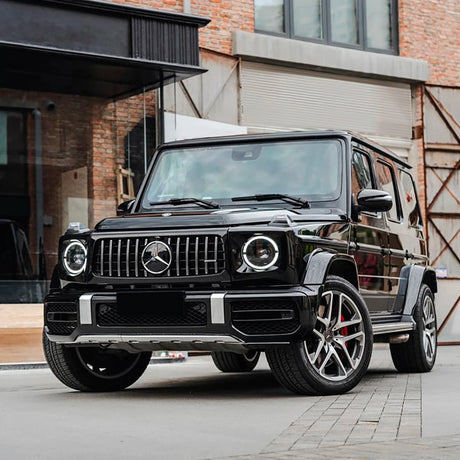


Lumex Smoked Headlight and Taillight Tint PPF (THL30)
Regular price $ 2,096.00Unit price
-


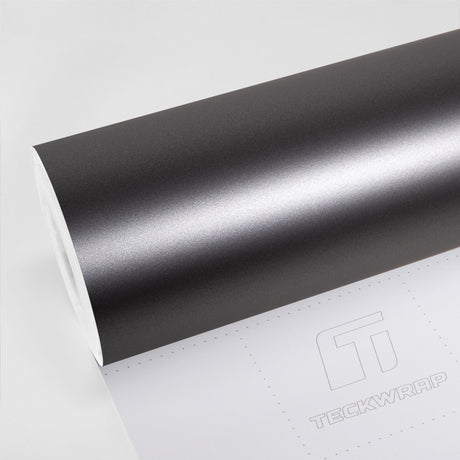


Clear BLKM-X Velar Paint Protection Film
Regular priceFrom $ 0.00Unit price


Gloss Luxe Black Color PPF (CPX409)
Regular priceFrom $ 4,788.00Unit price


Factory paint is about as thick as a sheet of paper, and the road starts working on it from the first highway trip. Stones chip the bumper and hood, sand blasts the rocker panels, and fingernails and keys scratch the door cups. Paint protection film takes that damage so your paint does not. TeckWrap PPF is a self-healing TPU film that absorbs chips, closes light scratches with heat and peels off without harming sound factory paint. Choose invisible clear PPF to keep the original finish, matte PPF for a satin look, or black and color PPF to change the look and protect it in one film. Our smoked tint PPF does the same job for headlights and taillights.
Paint Protection Film Types Compared
Every film here is TPU, a flexible urethane that absorbs impact and closes light scratches with heat. What changes from one type to the next is the finish you see.
| PPF type | What you see | How it behaves on a car | Shop |
|---|---|---|---|
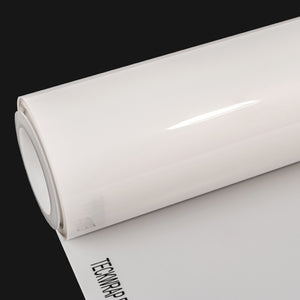 Clear Gloss PPFX75, G75, G85, S75+ and more | An invisible layer that keeps your paint color and adds a wet gloss. | It absorbs stone chips and light scratches, and swirls heal with heat. Most owners start with the front end, covering the bumper, hood, fenders and mirrors. | See all Clear PPF X75 Core G85 Premium |
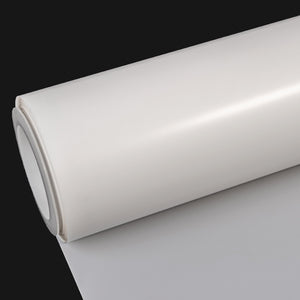 Clear Matte PPFM75, X75M | A clear film with a satin matte surface. It protects matte paint, or turns gloss paint matte. | Same chip protection as gloss film. Clean it with matte-safe products only, with no wax or gloss enhancers. | M75 Matte X75M Shade |
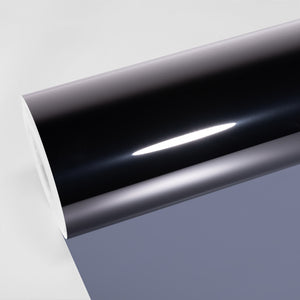 Black PPFBLK-X, BLKM-X | An opaque black film at paint protection thickness, in gloss or matte. | Blacks out a roof, mirrors or trim and protects them at the same time. It is directional, so check orientation before cutting. | BLK-X Jet Black BLKM-X Velar |
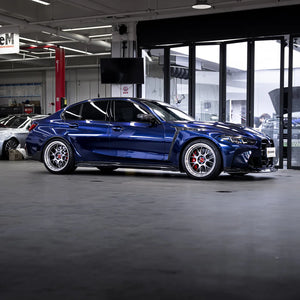 Color PPFCPX | A full color change in TPU, from solid gloss colors to metallics, pearls, satins and color shift. | It changes the color and stops chips in one film. Every overlap shows as a darker line, so plan seams in the body gaps. | See all Color PPF |
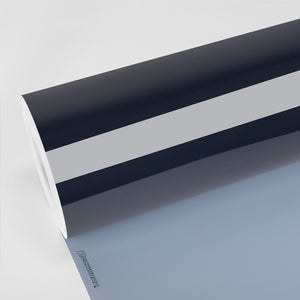 Headlight and Taillight Tint PPFTHL30, THL55 | A smoked TPU film for lenses, at 30% or 54% light transmission. | It darkens the lens and protects it from chips and UV clouding. Tint on headlights is regulated in many places, so check local rules first. | See all Tint PPF Lumex (THL30) Spectra (THL55) |
PPF vs Ceramic Coating vs Vinyl Wrap
PPF is the only one of the three that stops stone chips. A ceramic coating adds gloss and makes washing easier, and a vinyl wrap changes the color. Many owners combine them, with PPF on the front end, a wrap or factory paint everywhere else, and a PPF-safe ceramic coating on top.
| Feature | PPF | Ceramic Coating | Vinyl Wrap |
|---|---|---|---|
| What it is | Thick TPU film, about 0.27-0.35 mm | A liquid that hardens into a thin glass-like layer | PVC color film, about 0.1-0.2 mm |
| Stone chips | Absorbs them | Does not stop them | Does not stop them |
| Light scratches | Heal with sun or gentle heat | Some swirl resistance, no healing | Cannot be polished out |
| The look | Invisible, matte, black or a new color | Extra gloss on the paint you have | Any color or finish |
| Removal | Peels off with heat | Wears away or is polished off | Peels off with heat |
| Install | A professional installer with TPU experience | A detailer, after paint correction | A wrap shop or skilled DIY |
| Shop this option | You are here | Not sold here | Vehicle wraps |
Paint Protection Film Specs
Yellowing is what ends cheap PPF, usually on the hood within a couple of summers. Our clear films use aliphatic TPU on a Lubrizol ESTANE base, and SGS testing measured a color change of only 0.2 ΔE after 500 hours of accelerated UV exposure (ASTM G154 Cycle 1). The color stability scale below puts that number in context.

| Film | Aliphatic TPU. Clear films use a Lubrizol ESTANE base. |
|---|---|
| Top coat | TORAY self-healing top coat. Most clear films have a Lotus Effect water-repellent finish. |
| Thickness | About 270-350 µm total, with an application layer of 180-215 µm (7.1-8.4 mil) |
| Color stability | 0.2 ΔE*ab after 500 hours of accelerated UV, ASTM G154 Cycle 1, SGS tested (clear films) |
| Self-healing | Light swirls and wash marks close with sun or gentle heat |
| Installation | Clear film installs wet with slip and tack solutions, at 17-23 °C (63-73 °F) |
| Cure | 24-48 hours before water. No wax or pressure washing for the first 7 days. |
| Rolls | Most films are 5 ft (1.52 m) wide, from 3.3 ft (1 m) test lengths up to full rolls. Headlight tint film is 1.3 ft (0.4 m) wide. |
| Warranty | From 3 years on headlight tint film up to 10 years on clear PPF fitted by an authorized installer. Register it through our PPF E-Warranty. |
Each film has its own technical data sheet. Find them on our TDS page.
Installing and Caring for PPF
PPF is thicker than vinyl and grabs harder, so it rewards an installer who has done TPU work before. Clear film goes on wet. Slip solution lets the installer float it into place, and tack solution locks the edges down. Most shops cut from plotted patterns instead of using a blade on the paint. Color PPF needs extra planning, because every overlap is a double layer of color and shows as a darker line. Find a TeckWrap installer near you who has PPF work to show.
Give the film 24 to 48 hours before it sees water, and a week before wax or a pressure washer. After that, wash it like good paint, with two buckets, a pH-neutral shampoo and a soft mitt, and keep pressure washer jets away from the edges. Never machine polish PPF, because polishing removes the self-healing top coat. A PPF-safe ceramic coating is optional and makes washing easier. Matte film needs matte-safe products only.
 How to wrap a bumper with PPFInstall guide
 Common color PPF mistakesInstall guide
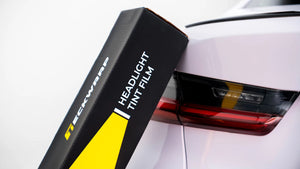 How to tint taillights with PPFInstall guide
 Car washes and film lifeCare guide
Paint Protection Film FAQ
Is paint protection film worth it?
It is worth it if your car sees highway miles, gravel roads or a long daily commute, or if you want original paint when you sell it. A chipped front end lowers resale value, and a respray rarely matches factory paint exactly. For a garage-kept weekend car, a ceramic coating may be enough.
How long does PPF last?
Years, not seasons. Our clear films carry warranties of 4 to 10 years depending on the film and the installer, and the TPU base passed weathering tests equivalent to 9 years. Strong sun, heat and harsh chemicals shorten that, so hand washing and parking under cover help.
Does PPF turn yellow?
Cheap film does. Budget films made from TPH or PVC amber under UV, usually on the hood first. Our clear films use aliphatic TPU, which does not amber, and SGS testing measured a color change of 0.2 ΔE after 500 hours of accelerated UV. Dirt and harsh chemicals left on the film can still stain it, so wash it regularly.
Can you see PPF on a car?
Not from a normal viewing distance when it is installed well. Clear gloss film adds a little extra shine, and most people only spot the edges up close. Wrapped edges and full-panel pieces hide the film best. Lifted edges, dirt under the film and stretch marks are what make PPF visible, and those come from the install, not the film.
Does PPF really self-heal?
Light marks do. Wash swirls, fingernail marks around door handles and fine scratches close up with heat from the sun, warm water or a heat gun. A scratch that cuts through the top coat does not heal, and that piece needs replacing.
Should I get PPF or a ceramic coating?
They do different jobs. PPF stops stone chips and scratches. A ceramic coating adds gloss and makes washing easier, but it does not stop chips. Many owners use both, with PPF first and a PPF-safe ceramic coating on top. Never use polishing compounds on the film.
Which parts of the car should get PPF?
The front end takes most of the damage, so a common package covers the front bumper, hood, front fenders and mirrors. Owners who want more add the rocker panels, door edges, door cups and the top of the rear bumper, or cover the whole car.
How soon can you wash a car after PPF?
Wait 24 to 48 hours before the car sees water, and a week before using a pressure washer or wax. The adhesive cures fully at room temperature within about a week. Small moisture spots under new film are normal after a wet install and usually fade in the first few days.
Can I install PPF myself?
On small, simple parts, yes, with patience. Door cups, door edges and mirrors are good first jobs. Bumpers and hoods are harder, because PPF is thick, grabs firmly and does not forgive the habits that work on vinyl. For the front end, most owners use a professional with TPU experience. Find a wrap shop near you.
Does PPF damage paint when removed?
Not on sound factory paint. Warm the film and peel it slowly at a low angle. Fresh or repaired paint is the risk, because the adhesive can lift paint that never bonded well. Let a respray cure fully before it is covered.


