


How to Wrap Car Mirrors
Wing mirror wraps instantly add custom style to your vehicle. To wrap a car mirror, clean the housing, cut a piece of vinyl larger than the mirror, apply the film...
E. Adnan |
Ceramic window film TWF-C30 Window film - Ceramic window film TWF-C30 / 5ft x 98ft (1.52 x 30m) is backordered and will ship as soon as it is back in stock.

Ceramic window film TWF-C30 Window film - Ceramic window film TWF-C30 / 5ft x 98ft (1.52 x 30m) is backordered and will ship as soon as it is back in stock.
Upgrade your driving experience with TeckWrap Ceramic Window Film TWF-C30, designed to deliver premium protection, style, and performance. Whether shielding against scorching heat, harmful UV rays, or annoying glare, this nano-ceramic film transforms your vehicle into a cooler, safer, and more stylish space.
| Feature | Details |
|---|---|
| Name | TWF-C30 |
| Size | 1.52 × 30 m |
| Thickness | 2mil |
| Material | Nano-Ceramic |
| Applications | Side Window Shield |
| VLT (%) | 30±2% |
| Internal VLR (%) | 6% |
| External VLR (%) | 6% |
| IR (%) | 12±2% |
| UVC (%) | ≥99% |
| TSER (%) | 57% |
With a 2mil thickness and a 1.52 × 30 m roll, TWF-C30 Ceramic window film is easy to install and built for long-lasting durability. The nano-ceramic material resists scratches and maintains optical clarity under harsh sunlight, ensuring your investment remains protected and effective.
Protect your passengers, preserve your interior, and enjoy a premium, high-performance window film that enhances your driving experience. With TeckWrap Ceramic films, you can combine advanced technology with sophisticated style to turn heads while keeping your car comfortable and safe.
How TeckWrap compares
Cheap film won't last a season. Legacy brands charge a brand premium. TeckWrap sits in the middle: professional-grade film at an honest price.
The cheap way
Saves money up front, then bubbles, fades and cracks within a season.
How it blocks heat
✕Dye absorbs light. The glass heats up and radiates inward.
Solar energy rejected
✕Around 35 to 45 percent, even on the darkest shade.
Infrared rejection
✕Low, and it falls further as the dye breaks down.
Signal interference
✕Metallized film blocks GPS, keyless entry, and radio reception.
Color stability
✕Turns purple, fades, and bubbles as the adhesive fails.
Warranty
✕A shop warranty that ends when the shop closes.
Professional-grade film at an honest price. Reversible, paint-safe, and color-shifting.
How it blocks heat
Rejects infrared instead of absorbing it, so the glass stays cooler.
Solar energy rejected
Up to 70 percent total solar energy rejected, stated per SKU.
Infrared rejection
Up to 93 percent infrared rejection, published on every product page.
Signal interference
Ceramic lines are non metallic. Phone, GPS and TPMS unaffected.
Color stability
Does not fade to purple. Color change is a covered warranty failure.
Warranty
Eight years, manufacturer backed. Five on the sputtered silver lines.
See the finish in person before you commit.
The legacy way
Comparable film, but you pay a brand premium.
How it blocks heat
–Ceramic or multilayer. Same method, at the legacy brand price.
Solar energy rejected
–High TSER across the range, with a matching price tag.
Infrared rejection
–High IRR. Check which band it was measured on.
Signal interference
–Ceramic lines are clear of it. Metallized lines are not.
Color stability
–Color stable across the warranty period, at a higher price.
Warranty
–Lifetime on paper. Read what the exclusions actually remove.
Window Film / Colored and decorative film FAQ
Both, and the numbers hold up. Verdant Wave sits at 72 percent visible light transmission with 90 percent infrared rejection, 99 percent UV rejection and 46 percent total solar energy rejection. You get real heat performance in a light tint, which is the combination most windshield regulations actually permit.
That is what the high transmission range is for. At 71 to 80 percent transmission these films stay within windshield limits in many markets while still cutting the heat load. Confirm the rule where the car is registered before ordering.
Subtle in most light, obvious at an angle. These read as a tint with a cast rather than a colored panel, and the effect shifts with light and viewing angle. Look at a physical sample against the actual glass before committing a whole car.
Almost never. That is mounting solution still evaporating through the film, and it clears on its own. Give it a few days in warm weather and up to a few weeks in cold. Cure time is 24 hours minimum above 15°C (59°F) before you touch it.
Not for at least 24 hours, and longer in cold weather. Dropping a window before the adhesive has set drags the film edge down into the door and peels it. This is the single most common self inflicted failure on a fresh tint job.
Not on these constructions. Purple fade and bubbling are dyed film failures, where the dye breaks down and the adhesive goes with it. Sputtered metal and nano ceramic layers hold color and performance instead of drifting. Zenith carries an 8 year warranty, Ionix 5 years.
No metal layer, so no. Reflectance sits around 10 to 11 percent, low enough to keep night visibility clean.
No, and this is the most expensive misunderstanding in tinting. Darkness is privacy and glare. Heat rejection is construction. Zenith70 at 75 percent visible light transmission still rejects 88 percent of infrared and 45 percent of total solar energy, while a cheap dark dyed film can reject far less heat than that while making the car harder to see out of. Buy the construction, then choose the shade.
TSER, not IR rejection. Infrared rejection measures one slice of the spectrum and is the number films are marketed on because it reads highest. Total Solar Energy Rejected accounts for the whole solar load, which is what you feel. When a film advertises a huge IR number and never prints its TSER, that is the answer.
Because you drive at night. High internal reflectance turns the inside of the glass into a mirror after dark and throws your own dashboard back at you. Both Zenith and Ionix hold internal reflectance to about 6 percent, which is low for the category and is a comfort figure nobody advertises.
Check the net figure, not the film figure. Your glass already blocks light before any film goes on, so a 35 percent film on factory glass lands well below 35 percent measured. That is how people pass at the shop and fail at the roadside. Front, rear and windshield limits differ by state and country, so confirm locally before ordering.
Wing mirror wraps instantly add custom style to your vehicle. To wrap a car mirror, clean the housing, cut a piece of vinyl larger than the mirror, apply the film...
E. Adnan |

Wrapping your rims is an excellent way to make your car stand out on the road. To vinyl wrap rims, clean and inspect the wheel, prepare the surface, cut the...
E. Adnan |

Satin wraps give your car a modern and high-end look, without the high gloss that comes with traditional vinyl. Whether you're wrapping the vehicle or just parts like the hood...
Shukhrat Ismatov |

Your spoiler takes the worst of the sun and road debris, and its curves, tight edges, and bolt holes make it the perfect practice piece for vinyl wrapping. This guide...
Shukhrat Ismatov |

Your bumper takes more stone chips, bug strikes, and road grit than any other panel on your car. This guide walks you through applying paint protection film to it, from...
E. Adnan |

Window tint is a precision job, and most mistakes can't be fixed once the film is on the glass. This guide walks you through installing tint on the inside of...
Shukhrat Ismatov |

Nothing changes a vehicle's personality quite like a dark smoky tint. But it can be expensive forcing you to choose between DIY installation and hiring a professional? DIY window tinting...
E. Adnan |

Wrapping your taillights with a tint PPF is one of the simplest upgrades you can make to give your car a bold, smoky look. This step-by-step guide covers everything, from...
E. Adnan |
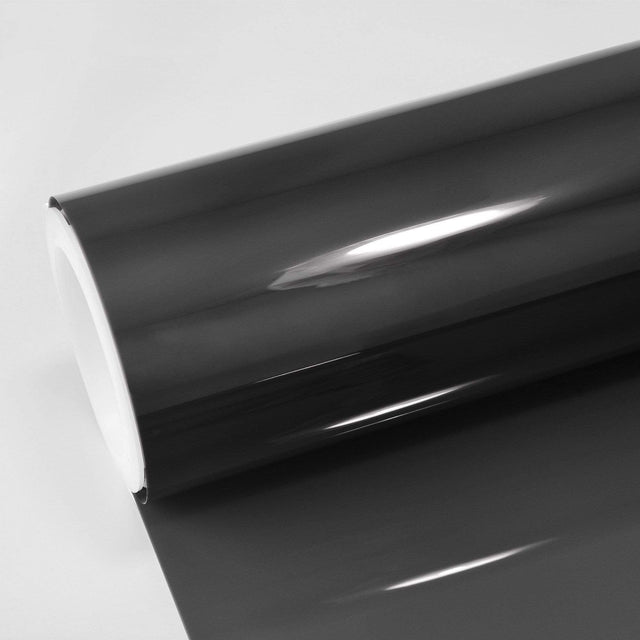
Upgrade your driving experience with TeckWrap Ceramic Window Film TWF-C30, designed to deliver premium protection, style, and performance. Whether shielding against scorching heat, harmful UV rays, or annoying glare, this nano-ceramic film transforms your vehicle into a cooler, safer, and more stylish space.
| Feature | Details |
|---|---|
| Name | TWF-C30 |
| Size | 1.52 × 30 m |
| Thickness | 2mil |
| Material | Nano-Ceramic |
| Applications | Side Window Shield |
| VLT (%) | 30±2% |
| Internal VLR (%) | 6% |
| External VLR (%) | 6% |
| IR (%) | 12±2% |
| UVC (%) | ≥99% |
| TSER (%) | 57% |
With a 2mil thickness and a 1.52 × 30 m roll, TWF-C30 Ceramic window film is easy to install and built for long-lasting durability. The nano-ceramic material resists scratches and maintains optical clarity under harsh sunlight, ensuring your investment remains protected and effective.
Protect your passengers, preserve your interior, and enjoy a premium, high-performance window film that enhances your driving experience. With TeckWrap Ceramic films, you can combine advanced technology with sophisticated style to turn heads while keeping your car comfortable and safe.
Color
1 color available
Size


