
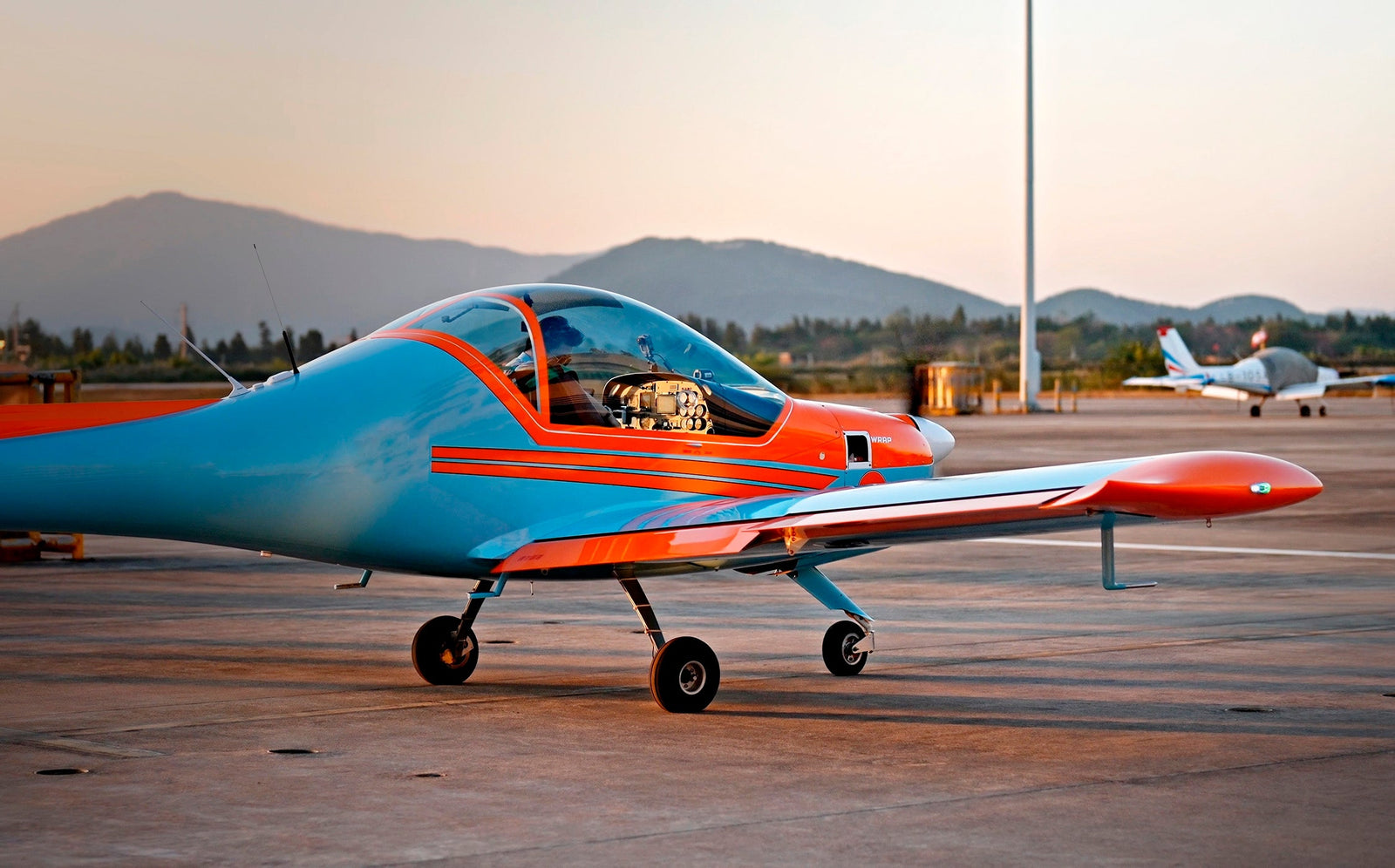
Vinyl wraps made their name on cars, but the same film works on almost anything with a hard, smooth and clean surface. Boats, motorcycles, small aircraft, trains, fridges, vending machines and furniture all get wrapped today. You get a new color or graphic for less than a paint job, and you can remove or replace it later without much hassle.
Here are practical uses for vinyl wrap beyond cars, what each job involves, and which film suits it.
What Surfaces Can You Vinyl Wrap?
Vinyl sticks best to smooth, non-porous, clean and dry surfaces such as painted metal, fiberglass, gelcoat, glass, most plastics, laminate and sealed or painted wood.
It does not do well on:
- Textured surfaces like stucco or heavily textured drywall
- Porous materials like raw wood, unsealed MDF, concrete or fabric
- Flaking or peeling paint
- Hot surfaces such as stovetops, oven doors or areas near an exhaust
- Some low-energy plastics where adhesive struggles to grab
If you are unsure, test a small piece in a hidden spot for a couple of days first.
Wrapping Other Vehicles
1. Motorcycles and Helmets
Bikes like the BMW R 1300 GS, Ducati Streetfighter V4 or any Harley-Davidson practically ask to be personalized. A full wrap or a few decals can turn a well-kept bike into a signature piece in a matte or satin finish or a printed design. You can even mix films for a theme, like a weathered metal tank with a shark mouth on the fairing for a WWII fighter plane look.
A bike uses far less film than a car, which makes it a good first project. Remove panels where you can, wrap them flat, and heat carefully on tight curves. For high-wear spots like the tank sides, clear paint protection film lasts longer. If you want to match your helmet, check the maker's guidance on adhesives first.
2. Golf Carts, ATVs, Scooters and E-Bikes
Golf carts, UTVs, dirt bikes, scooters and e-bike frames are easy to wrap. Resorts and golf clubs often wrap whole golf cart fleets in one brand color. Smooth plastic panels are simple to work with, while thin bike tubing takes narrow strips and patience.
3. Boats, Jet Skis and Yachts
Boat owners wrap hulls to change the color, hide faded gelcoat, add the boat's name or advertise a business, while also shielding the surface from UV and water. A wrap usually costs less than marine paint and keeps the boat out of the water for less time. Partial wraps also work inside yachts on cabinets, tables and trim.
Marine conditions are tough on film, so use a quality film, keep the wrap above the waterline and seal the edges well. Brands use boat wraps for campaigns too. One Major League Baseball team wrapped a boat in its new City Connect design for the opening day of boating season, putting the look in front of crowds on the water.
4. Small Aircraft and Seaplanes
A wrap lets an aircraft owner add a custom livery or brand graphics without a costly, permanent paint job. Most famous themed airliners are actually painted, so vinyl is more common on smaller aircraft, stripes, tail logos, registration marks and promo graphics on private planes, helicopters and seaplanes. Seaplane operator Kenmore Air, for example, has had vinyl graphics applied to one of its planes.
Weight, airflow and inspection access all matter on aircraft, so use an installer who works with an aircraft maintenance shop.
5. Trains, Streetcars and Buses
A wrapped train car becomes a moving billboard or a piece of public art, and printed wraps suit both short campaigns and long-term branding. Transit agencies sell ad wraps on light rail cars, commission local artists to refresh older trains, and run seasonal themes like cherry blossoms, holidays and Pride Month. These jobs use large-format printing media with a protective laminate.
Vinyl Wraps for Home and Office Interiors
Inside homes and offices, vinyl updates furniture, walls and electronics for far less than replacing or remodeling. It is also renter friendly, since it comes off without permanent changes.
6. Furniture and Kitchen Cabinets
Wrapping is one of the cheapest ways to upcycle old furniture. Tables, cabinets, shelving, desks and kitchen islands can all be covered. A gloss or satin film gives cabinets a clean modern look, while structured films like carbon fiber change the feel completely.
Remove doors and hardware, degrease, wipe with isopropyl alcohol and wrap each piece flat. Avoid panels right next to the oven or kettle, where heat and steam weaken the adhesive.
7. Walls, Doors, Windows and Pillars
Add an accent wall or cover doors, window frames, pillars and glass partitions to match a color scheme. Layering colors or mixing textured and solid films can change a room's whole character. Walls must be smooth, and fresh paint should cure for a few weeks before wrapping. For murals, logos or office signage, use printable media with a laminate.
8. Fridges, Dishwashers and Washing Machines
Wrapping appliances is an inexpensive way to match mixed brands or hide dents and scratches. Matte black, satin colors and metallic looks are popular. Wrap only panels that stay at room temperature, keep film away from vents and heat sources, and remove large handles first.
9. Laptops, PCs, Phones and Tablets
Instead of a bulky cover, give your electronics a vinyl skin. Skins protect laptops, PC cases, phones, tablets and consoles from scratches and let you change the look anytime. Skulls and flames, gradients and bold graphics are popular, with finishes from matte to gloss to carbon fiber. Use a thin, conformable air-release film and keep vents, cameras and ports clear.
Commercial and Event Uses
10. Retail Fixtures, Vending Machines and Kiosks
Businesses wrap vending machines, kiosks, counters, displays and lockers to match their branding or promote a product, then swap the graphic when the campaign ends. Most of this work uses printing media with a matching laminate, or you can order custom printed vinyl.
11. Event Decor and Floor Graphics
Walls, floors, bars, stages and furniture can be covered in an event's color scheme and removed afterward without damage. Gloss, chrome and color shift films stand out under event lighting, and printed vinyl handles logos and seasonal designs like jack-o'-lanterns and witches for Halloween.
Floor graphics always need an anti-slip laminate rated for foot traffic, since standard wrap film is too slippery on its own.
Which Vinyl Should You Use?
| Project | What to use | Why |
|---|---|---|
| Boats, motorcycles, outdoor equipment | Cast wrap film | Conforms to curves and holds up better outdoors |
| Cabinets, doors, tables | Color change wrap film | Flat panels need little stretch |
| Logos, murals, ads, transit graphics | Printable media with laminate | Full-color prints with protected ink |
| Floors | Printed vinyl with anti-slip laminate | Needed for grip and safety |
| High-wear spots | Clear paint protection film | Thicker and more chip resistant |
Check the film's technical data sheet for durability and surface guidance, order samples to test the color, and use the material calculator to estimate how much film you need.
Tips for Wrapping Surfaces Other Than Cars
- Clean twice. Degrease, then wipe with isopropyl alcohol. Most failed wraps start with oil or dust.
- Remove hardware. Handles, hinges and trim are easier to remove than cut around.
- Fix the surface first. Vinyl shows every chip, dent and paint flaw underneath.
- Mind the temperature. Apply within the range on the data sheet, away from cold or direct sun.
- Post-heat curves. Heating curves and recesses after application helps the film stay put.
- Use proper tools. A felt-edged squeegee, sharp blade and heat gun cover most jobs. Find them in our wrap tools collection, and learn the techniques in our video tutorials and installation articles.
Frequently Asked Questions
Q. Can you vinyl wrap furniture?
Yes, as long as the surface is smooth and sealed, like laminate, painted wood or metal. Seal or paint raw wood first.
Q. Can you wrap a fridge or other kitchen appliances?
Yes. Fridges, dishwasher fronts, washers and dryers wrap well. Avoid oven doors, cooktop surrounds and vents.
Q. How long does vinyl wrap last indoors?
Usually much longer than on a car, since it is protected from sun and weather. For outdoor projects, check the durability rating on the data sheet.
Q. Does vinyl wrap damage the surface underneath?
Quality film removed within its rated life should come off cleanly from sound paint, metal, glass and laminate. Fresh or poor paint, raw wood and old baked-on film carry more risk. Gentle heat helps during removal.
Q. Is it cheaper to wrap a boat than paint it?
Usually yes, and it is faster too, though prices vary by boat size. Get quotes for both to compare.
Ready to Start Your Project?
If a surface is smooth, clean and away from high heat, there is a good chance you can wrap it. Browse our vinyl wrap range to find your color, or use our wrap shop locator to find an installer. Wrapping your car too? Read our guide on whether vinyl wraps affect resale value.


