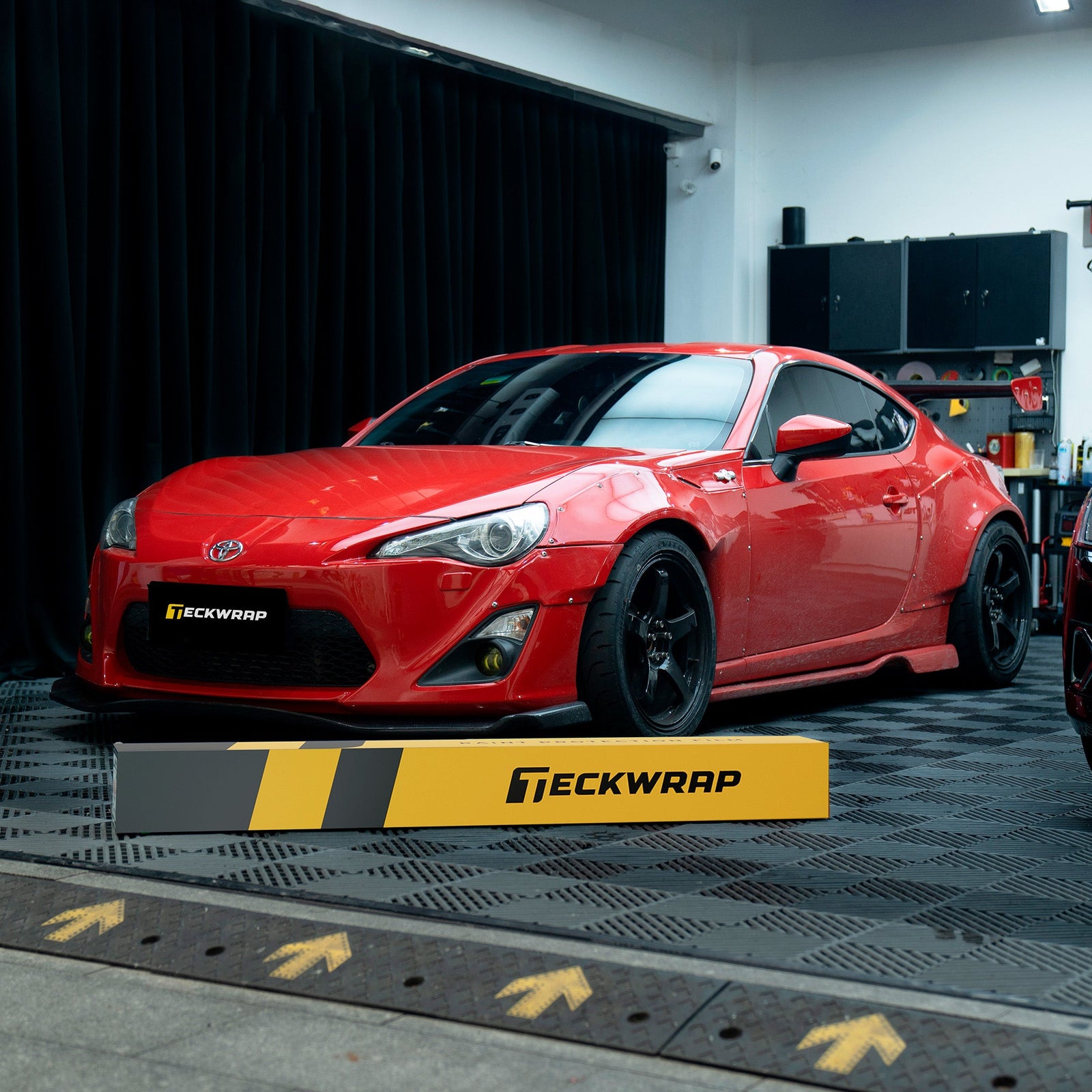
If you are planning to wrap your car and wondering how it will affect resale value, the short answer is that it can go either way. A wrap rarely adds value on its own, but it can protect the factory paint, and that paint is what buyers care about. Whether your wrap helps or hurts comes down to the film quality, the installation, the color you choose, the condition of the paint underneath and how you sell the car.
Does a Vinyl Wrap Increase or Decrease Resale Value?
| A wrap helps resale when | A wrap hurts resale when |
|---|---|
| Quality film was installed by a professional | Cheap film was used or the install was rushed |
| The color is neutral, like black, white or gray | The design is loud, niche or highly personal |
| The paint underneath is in great shape | Removal leaves adhesive, lifted clear coat or knife cuts |
| It is removed before the film ages out | The film is old, faded, cracked or baked on |
| You sell to buyers who value custom builds | You trade it in at a dealer that discounts modified cars |
What Affects the Resale Value of a Wrapped Car?
Buyer Preference
Value is personal. One buyer sees a wrap as a premium extra, while another wonders what it is covering. Some people love custom touches like wraps, aftermarket wheels or modified interiors. Others see them as changes that move the car away from factory spec. Your wrap will appeal to some buyers and narrow the pool for others.
Color and Design
Wraps come in so many colors, finishes and graphics that their effect on resale varies widely. Brand logos, graffiti art, cartoon characters, split wraps, neon gradients and chrome reflect personal taste, and that can shrink the number of interested buyers. Neutral gloss, satin or matte shades are a safer choice if you plan to sell within a few years. For ideas, see how warm neutral colors can look refined without limiting your buyers.
Condition of the Factory Paint
Buyers judge a car's maintenance history by its paint. A professionally applied, well-maintained wrap should leave the paint in excellent condition and help the car sell for a good price. A poor install or low-quality film can damage the paint during removal and pull the value down.
Film Quality and Installation
This is where most wrap problems start. Cheap film can fade, crack and leave stubborn adhesive behind, and a careless installer can cut into the paint while trimming. Skimping on film or installation often costs more in the end. Use a quality film and a trusted installer from our wrap shop locator.
Common Myths About Wraps and Resale Value
Myth 1: Wraps Protect the Original Paint
Mostly true. A quality wrap shields paint from UV fading, light scratches, bird droppings and road grime, which is a big part of why a wrap can help a car hold its value. It offers less impact protection than paint protection film, though. If protection is your main goal, clear PPF is the stronger option, and color PPF gives you a color change with thicker protection.
Myth 2: A Wrapped Car Is Hiding Damage
Partly true. Vinyl cannot fix dents or deep scratches. It covers the car like a second skin, so any dent underneath still shows through. It can, however, hide faded or oxidized paint, swirl marks and color mismatches from earlier repairs. That is why some buyers treat a wrapped car like Schrödinger's cat: the paint may be perfect or it may not, and they cannot tell until the wrap comes off.
This matters most for popular models with plenty of unwrapped versions for sale, since buyers can simply choose one they can inspect. Paint records and photos taken before wrapping help a lot here.
Myth 3: Only Flashy Wraps Hurt Resale
True to an extent. Most buyers do not want bold chrome or neon shades. A car in a neutral color like matte black, gloss white or gray that looks professionally maintained appeals to far more buyers and dealers. Even so, many buyers still prefer a car in its original color, so a neutral wrap is safer but not a guarantee.
Myth 4: Dealers Will Not Pay Well for Wrapped Cars
It depends on the dealer. Many mainstream dealers will ask you to remove the wrap or lower the trade-in offer, partly because they do not want to pay for removal or take a risk on the paint.
Specialty exotic and performance dealers see it differently. They regularly list wrapped Lamborghinis, McLarens, Porsches and other performance cars at premium prices. Their buyers want a car with personality and will often pay more for a well-executed custom build. If your car has a quality wrap, these dealers or private enthusiast buyers are usually the better route.
Myth 5: Wrapping a Car Voids the Warranty
Generally false. A wrap is a removable cosmetic change, and in the U.S. the Magnuson-Moss Warranty Act means a manufacturer generally has to show that an aftermarket product caused a problem before denying a warranty claim. However, any damage caused by the wrap or installation, such as knife cuts in the paint, will not be covered.
Two more things to check. Make sure the installer cuts film neatly around parking sensors and cameras so they keep working properly. And tell your insurance company about the wrap, since some insurers treat it as a modification that affects your policy.
Should You Remove the Wrap Before Selling?
For a dealer trade-in, removing the wrap usually gets you a better offer, because the dealer can see the paint and does not have to factor in removal. For a private sale to an enthusiast, a fresh, neutral wrap can be a selling point, especially if you can show photos of the paint before it was wrapped. A middle ground is to tell buyers you will remove it if they prefer.
Whatever you decide, remove the film before it passes the lifespan listed on its technical data sheet. Old film becomes brittle and much harder to take off cleanly.
How to Protect Resale Value When You Wrap
- Wrap healthy paint only. Fix chips and rust first. Vinyl over damaged or poorly resprayed paint can pull it off during removal.
- Document everything. Take clear photos of the paint before wrapping, and keep the installation invoice and film details. You can also confirm your film is genuine using our product verification tool.
- Choose a color with broad appeal. Save bold designs for cars you plan to keep long term.
- Follow proper aftercare. Hand wash, avoid harsh chemicals and pressure-wash edges carefully. Our installation articles cover the basics.
- Remove it on time. Use a professional for removal if you are unsure.
Frequently Asked Questions
Q. Does wrapping a car decrease its value?
Not by itself. A quality wrap in a neutral color over good paint usually has little negative effect and can help preserve value. Cheap film, poor installation or a very personal design can lower it.
Q. Should I tell buyers my car is wrapped?
Yes. Be upfront, share photos of the original paint and mention the factory color. Honesty builds trust and avoids problems later.
Q. Does a vinyl wrap void my car's warranty?
Generally no, but damage caused by the wrap or its installation will not be covered. Check your warranty terms before wrapping.
Q. How long can a wrap stay on before it affects the paint?
Follow the lifespan on the film's data sheet. Leaving it on longer makes removal harder and raises the risk of adhesive residue.
Q. Is PPF better than vinyl for resale value?
For pure protection, yes. PPF is thicker and handles chips better. Vinyl is the better choice for changing the look, and color PPF offers a mix of both.
Final Verdict
A vinyl wrap will not automatically raise or lower your car's value. A high-quality, well-maintained wrap in a neutral color protects the factory paint and can help your car sell for a better price. A cheap, loud or neglected wrap does the opposite. Choose quality film, keep records, look for buyers who appreciate customization, and check your warranty and insurance before you wrap.
Ready to start? Browse our vinyl wrap range or compare paint protection films. If you are curious what else vinyl can do, read our guide on how vinyl wraps are used beyond cars.


