
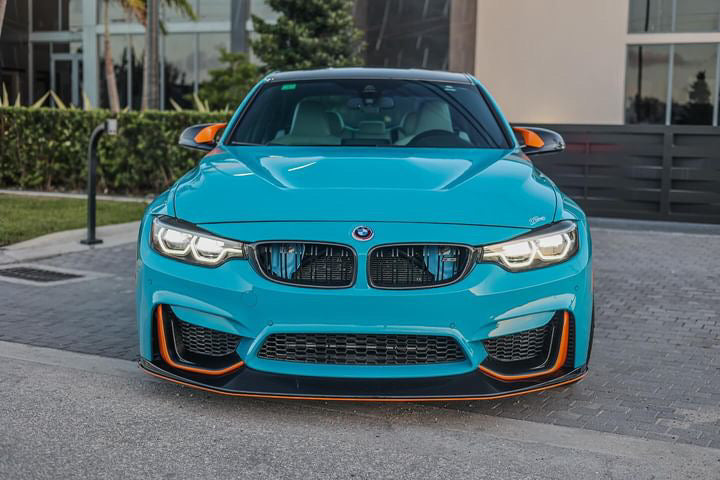
Vehicle wraps let you change up a car without touching the paint. Exterior wraps cover the body panels and give you a full color or texture change. Interior wraps cover cabin surfaces like the dashboard, console, and door trims.
They sharpen the look, hide wear, and add personal style. Both do different jobs, and together they complete the build.
Here is how they really differ in the bay.
What Each Film Must Handle
An exterior wrap lives outside. It takes sun, road debris, bird droppings, bug splatter, car wash brushes, and temperatures from freezing to baking. The film must hold its color and stay stuck through all of it, so exterior films come with strong weather resistance.
An interior wrap lives in a calmer space. It never sees rain or road salt, but it sits inches from the driver’s eyes every day. Texture realism and glare control matter more. The glue must also hold on plastic and painted trim without leaving a mess at trade-in.
How Adhesive Needs Differ
New installers often think exterior glue is better because it is stronger. That misses the point. Exterior glue is built to grip through wind lift and pressure washing. It has to stay put under forces that would peel a weaker film right off the panel.
Interior glue works another way. It holds tight on the dash and console, but it comes off clean when removal time arrives. A dashboard is not a fender. You cannot sand it down or repaint it easily if glue residue stains the surface. The film has to come off without damage. Use an exterior film inside, and you risk a removal job that eats hours and leaves marks the customer will spot.
Why Texture Matters More Inside
Exterior finishes go for impact. Gloss, satin, chrome, color shift. These finishes catch light and turn heads on the street. That is the whole point.
Inside the cabin, a gloss dash can bounce sunlight into the windshield and put a glare line right in the driver’s view. That is a safety issue, not just a style call. Matte and textured interior films cut that reflection. This is why wood grain, brushed metal, carbon fiber, and leather looks rule the interior category.
The film also has to look right at arm’s length, not from across a parking lot. A pattern that fools the eye from ten feet away can look flat and fake when a passenger runs a finger over it every morning.
What Each Install Demands
Exterior installs reward speed and confidence. Big panels need stretch control, bumpers and mirrors need heat and patience, and edges need proper tucking and post heating. A slip on a hood is visible from the sidewalk.
Interior installs reward precision and cleanliness. Tight gaps around vents, buttons, and screens leave little room for error. Dust that vanishes on a black roof shows up under a matte dash film. Getting panels back on without rattles takes as much care as the wrap itself. Interior film skips heavy weather sealing, but it must handle cabin heat cycles without edge lift.
Wrap professionals advise keeping separate squeegees and knives for interior work. A tool that has touched exterior panels can carry grit that scratches soft interior plastics.
Exterior vs Interior Wrap at a Glance
| Decision point | Exterior wrap | Interior wrap |
|---|---|---|
| Primary exposure | Weather, UV, road debris | Heat cycles, touch, sunlight through glass |
| Adhesive priority | Maximum grip under stress | Secure hold with clean removal |
| Finish priority | Color impact and durability | Texture realism and glare control |
| Common failure | Edge lift, staining, fading | Peeling at tight curves, residue on removal |
| Installation focus | Stretch and edge sealing | Precision trimming and surface prep |
Frequently Asked Questions
Which wrap costs more?
Pricing depends on the film line and the coverage area, not the category alone. Interior jobs use less material but demand more labor for tight clearances. Compare quotes by surface, not by square foot.
How long does each type last?
Exterior wrap life depends on sun exposure, washing habits, and parking. Interior wrap usually lasts longer because it avoids weather, but heat cycles and touch still affect it. Ask your film supplier for guidance on the specific product.
Final Thoughts
Exterior and interior wraps solve different problems. One fights the weather. The other fights glare, wear, and the close eye of every passenger. Stock the right film for each job, keep your install habits separate, and you will spend less time fixing edges and more time booking the next car.
Want one source for both sides of the work? TeckWrap carries exterior color lines and interior textured films that match the demands above. Visit teckwrap.com to compare options and find the right roll for your next project.


